Commercial real estate in the U.S. is evolving. Changing work patterns, shifting retail trends, and urban lifestyle preferences are driving demand for mixed-use developments and adaptive reuse projects. Architects are now tasked with creating spaces that are flexible, sustainable, and community-focused, blending office, residential, retail, and cultural uses—all while revitalizing existing buildings in urban cores.
Whether it’s transforming an old warehouse into a vibrant live-work hub or integrating boutique hotels into historic industrial buildings, the sector is offering opportunities for architects to combine design in novation with market insight.
Mixed-use development is thriving in regions where urban populations are growing and demand for live-work-play environments is high. Key market drivers include:
Adaptive reuse projects, in particular, are gaining traction, breathing new life into offices, factories, and historic structures, all while preserving cultural identity and integrating modern functionality.
Near-Term Opportunities (2025–2027)
Medium-Term Outlook (2028–2033)
Sun Belt & Southern City
In Austin, TX, older commercial buildings are being adaptively reused into vibrant office, residential, and retail hubs. Dallas–Fort Worth, TX is seeing expanding downtown cores that support large-scale mixed-use developments. In Charlotte, NC, former office and industrial stock is being transformed into modern, amenity-rich districts, while Orlando, FL features hospitality-integrated mixed-use districts that thrive in both tourist and urban centers.
Northeast & Mid-Atlantic
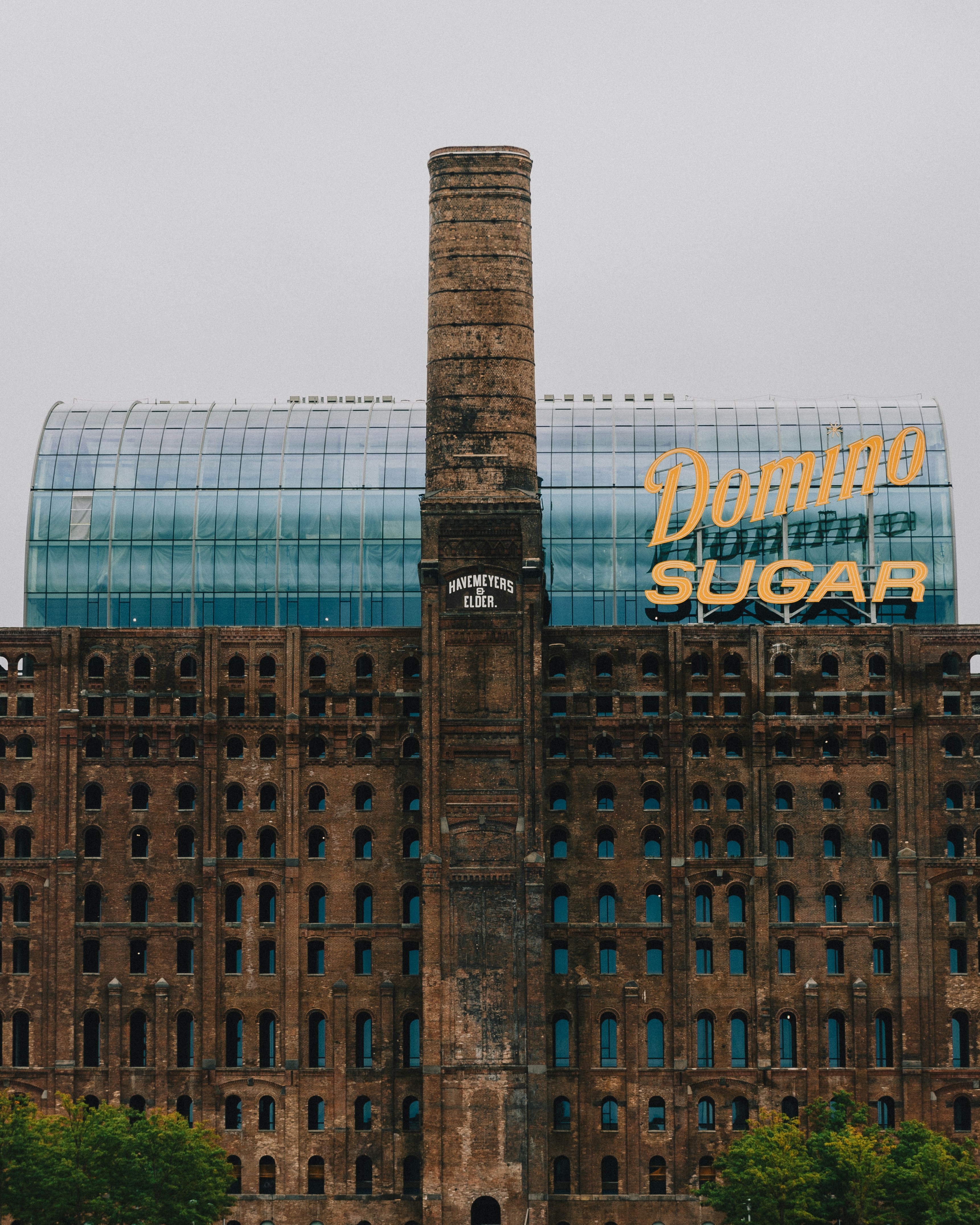
In New York City, NY, office, warehouse, and historic building conversions remain strong in Manhattan and Brooklyn. In Boston and Cambridge, MA, industrial structures are being reimagined as innovation hubs and mixed-use campuses. Meanwhile, in Philadelphia, PA, former industrial areas are being revitalized into residential and creative office clusters.
West Coast
In San Francisco/South Bay, CA, office-to-residential conversions and adaptive reuse of industrial sites are reshaping the urban landscape. In Los Angeles, CA, historic downtown buildings are being repurposed for creative office, retail, and residential use. In Seattle, WA, urban infill developments are transforming former industrial neighborhoods into dynamic mixed-use districts.
Emerging Secondary Markets
In Denver, CO and Salt Lake City, UT, warehouses, malls, and office parks are being converted into mixed-use, amenity-rich districts. In Raleigh–Durham, NC, adaptive reuse is revitalizing historic downtowns and university-adjacent areas. In Minneapolis–St. Paul, MN, industrial buildings are being transformed into residential, office, and retail projects.
The U.S. commercial mixed-use and adaptive reuse market is set for sustained growth, particularly in Sun Belt cities, high-density urban cores, and emerging secondary markets. Architects who combine adaptive reuse expertise, flexible planning, sustainability, and placemaking strategies will lead the transformation of underutilized spaces into vibrant, multi-functional environments.
By creating buildings that are responsive, resilient, and community-oriented, architecture firms can shape the future of the commercial real estate landscape while delivering meaningful value for clients and cities alike.