Current Market Dynamics
K–12 Education
Many school districts are navigating aging buildings, overcrowded classrooms, and the need for tech-forward, flexible learning environments. Enrollment growth is concentrated in the Sun Belt and suburban markets, creating hotspots for new construction and campus expansions.
Higher Education
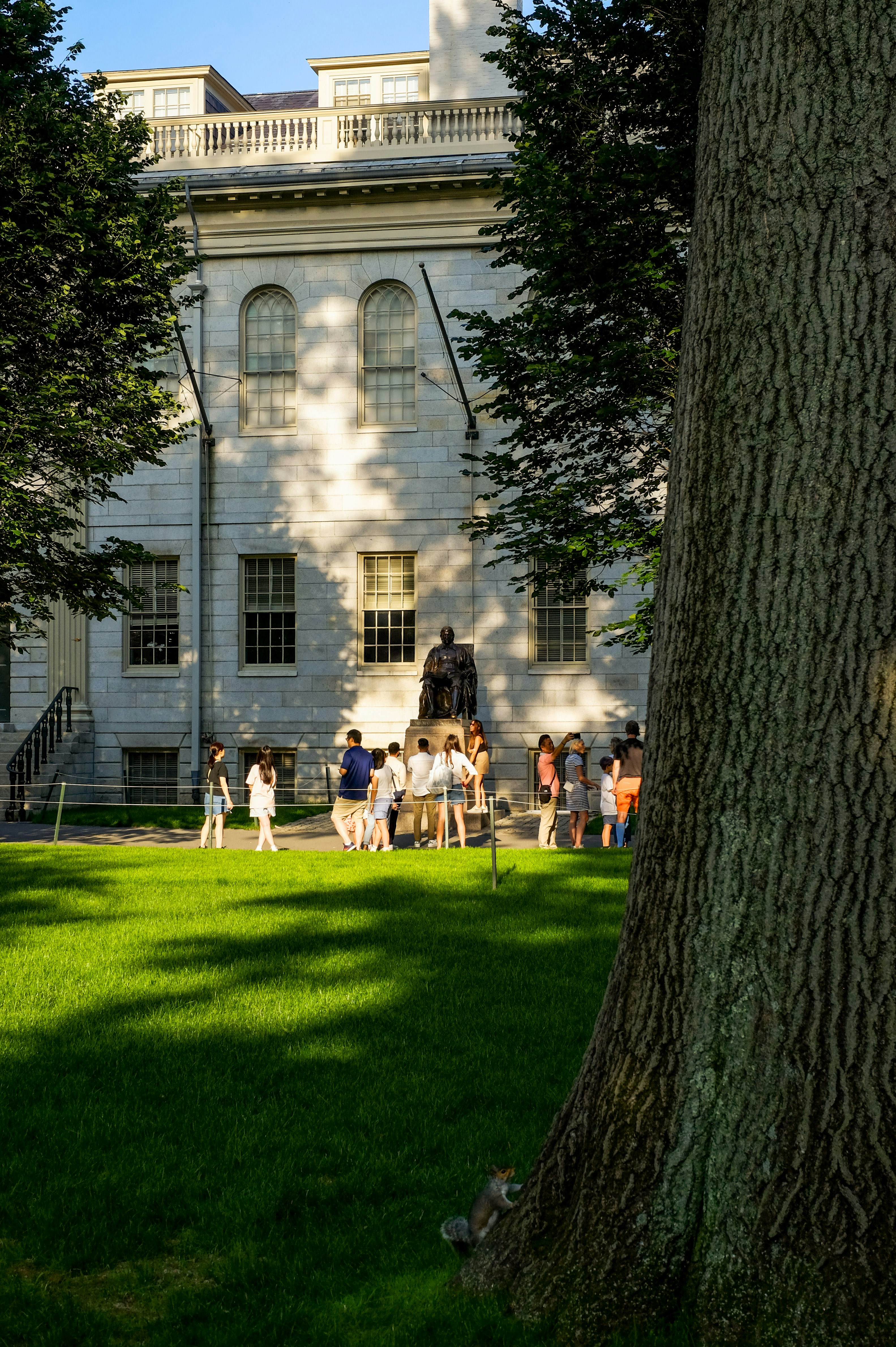
Universities and colleges are investing heavily in research facilities, STEM labs, student housing, and modern classrooms. Sustainability, wellness, and technology integration are key priorities, while campuses continue to serve as hubs for community and innovation.
Across both sectors, architects are seeing strong demand for new construction, adaptive reuse, and strategic renovations—all tailored to evolving educational needs.
Where Growth is Happening
Southern & Sun Belt Markets
- Texas (Austin, Dallas–Fort Worth, Houston): Rapid population growth is driving school expansions and new university research facilities.
- Florida (Orlando, Tampa, Southwest FL): K–12 districts and universities are both investing in modernized campuses and STEM infrastructure.
California
- Sacramento, San Diego, Silicon Valley: Fast-growing populations and workforce demands support K–12 expansions and campus modernization, with universities focusing on STEM and interdisciplinary programs.
Southeast & Mid-Atlantic
- North Carolina (Raleigh–Durham, Charlotte): Strong enrollment growth and expanding research campuses are fueling demand.
- Georgia (Atlanta metro): Investment in both K–12 and higher education facilities continues to rise.
Northeast
- New York (NYC, Albany, Buffalo): Renovation, modernization, and STEM facility upgrades dominate.
- Massachusetts (Boston, Cambridge): Universities continue to invest in research, technology, and life sciences facilities.
Emerging Secondary Markets
- Midwest (Columbus, OH; Minneapolis, MN) and Mountain West (Denver, CO; Salt Lake City, UT): Moderate K–12 growth and campus expansion make these regions attractive for adaptive reuse and modernization projects.
Trends Shaping Education Architecture
- Flexible Learning Spaces: Modular classrooms and labs support collaborative work and blended learning models.
- Safety and Security: Controlled access and secure circulation are essential, especially for K–12 facilities.
- Sustainability & Resilience: Energy-efficient designs, daylighting, and renewable energy integration are standard expectations.
- Technology Integration: Smart classrooms, hybrid learning setups, and digital infrastructure are critical.
- Community-Focused Design: Schools and campuses increasingly serve as hubs for extracurricular and civic engagement.
- Wellness & Mental Health: Biophilic design, outdoor learning areas, and quiet spaces support student well-being.
- STEM & Research Facilities: Higher education invests heavily in laboratories, research centers, and makerspaces.
- Adaptive Reuse: Renovation of older buildings remains a key strategy to modernize facilities while preserving community character.
Looking Ahead
The U.S. education sector is poised for continued growth, particularly in fast-growing Sun Belt states, secondary urban markets, and regions with expanding university research activity. Architects play a pivotal role in creating spaces that are safe, flexible, technology-ready, and sustainable, shaping the future of learning for generations to come.
Firms capable of delivering adaptable classrooms, cutting-edge research facilities, and resilient campus planning will be well-positioned to lead the next wave of educational architecture.